Scalable WordPress Development: 7 Proven Strategies for Scalable WordPress Development
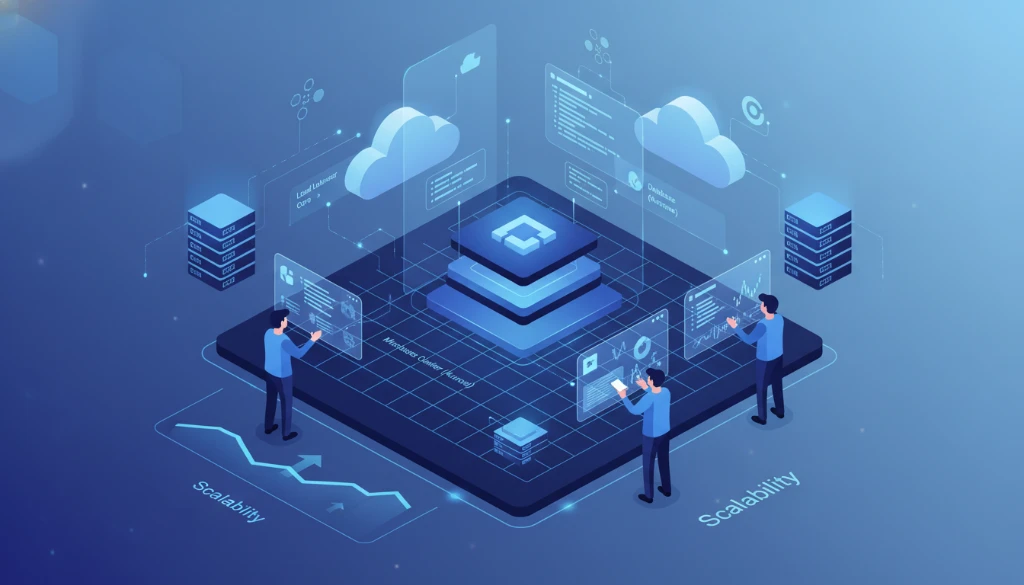
Scalable WordPress development is essential for businesses aiming to grow without performance bottlenecks. Whether you’re building for startups or enterprise-level platforms, scalability ensures your website handles traffic spikes, complex functionalities, and long-term growth efficiently.
At DB CodeCraft, we specialize in building high-performance solutions using modern stacks like React and custom WordPress architecture. In this guide, we’ll break down 7 proven strategies to achieve scalable WordPress development.
1. Choose a Scalable Hosting Infrastructure
Your hosting environment plays a critical role in scalable WordPress development. Opt for cloud-based solutions like
AWS or
Google Cloud
to ensure flexibility and auto-scaling capabilities.
Managed WordPress hosting providers can also help streamline performance and security optimization.
2. Use Lightweight and Custom Themes
A bloated theme can slow down your website significantly. Instead, use custom-built themes optimized for performance and scalability.
Our WordPress development services focus on clean code architecture and modular design, ensuring better scalability.
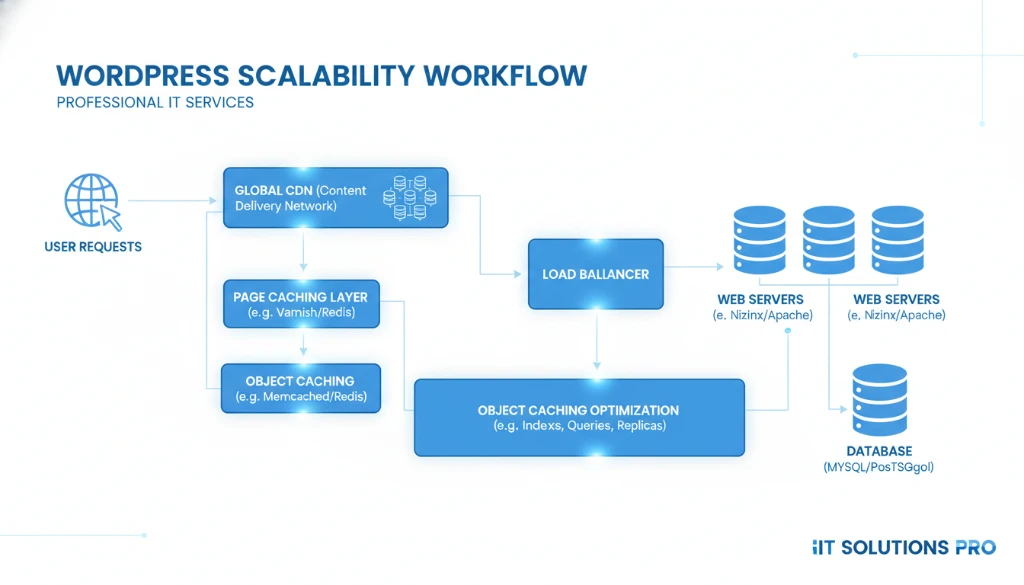
3. Implement Advanced Caching Mechanisms
Caching reduces server load and improves response time. For scalable WordPress development, implement:
- Page caching
- Object caching (Redis/Memcached)
- Browser caching
Plugins like WP Rocket or server-level caching solutions can drastically enhance performance.
4. Optimize Database Performance
A well-optimized database is crucial for scalable WordPress development. Regularly clean up unnecessary data like revisions, spam comments, and transients.
Use indexing and query optimization techniques to improve database efficiency.
5. Leverage CDN for Global Reach
Content Delivery Networks (CDNs) like
Cloudflare
help distribute content globally, reducing latency and improving load times.
This is a must-have for scalable WordPress development, especially for international audiences.
6. Integrate Headless WordPress with React
Modern scalable WordPress development often involves headless architecture. By integrating WordPress with React or Next.js, you can:
- Improve frontend performance
- Create dynamic user experiences
- Scale independently
Explore our portfolio to see real-world implementations.
7. Focus on Security and Code Quality
Security vulnerabilities can break scalability. Follow best practices such as:
- Using secure plugins
- Regular updates
- Code audits
High-quality code ensures long-term maintainability and scalability.
Conclusion
Scalable WordPress development is not just about handling traffic—it’s about building a future-proof digital foundation. By implementing these 7 strategies, you can ensure your website remains fast, secure, and ready for growth.
If you’re looking to scale your WordPress platform, feel free to contact us for expert guidance.